Understand the problem before designing the page
We begin with your business objectives, target audiences, existing digital challenges, stakeholder requirements and what the website needs to achieve.
This stage is not about collecting a list of pages. It is about understanding the role the website plays in the business.
We look at the questions users are likely to ask, the decisions they need to make, the information the business needs to communicate and the problems the current experience may be creating.
Give every page a clear role
Once the business and audience context is clear, we organise the website around how information should be found and understood.
This can include sitemap development, audience segmentation, navigation structure, page hierarchy, content grouping and user pathways.
A good sitemap is not simply a list of pages. It is a model of how users should move through the website.
Decide what the user needs to see, and when
The order of information within a page can change how clearly users understand an offer.
We plan content flow around the user's decision process: what they need to know first, what builds confidence, what questions need answering and where the next action should appear.
Wireframes allow us to test hierarchy, interaction and conversion paths before visual styling starts to influence decisions.
Turn UX logic into a distinctive interface
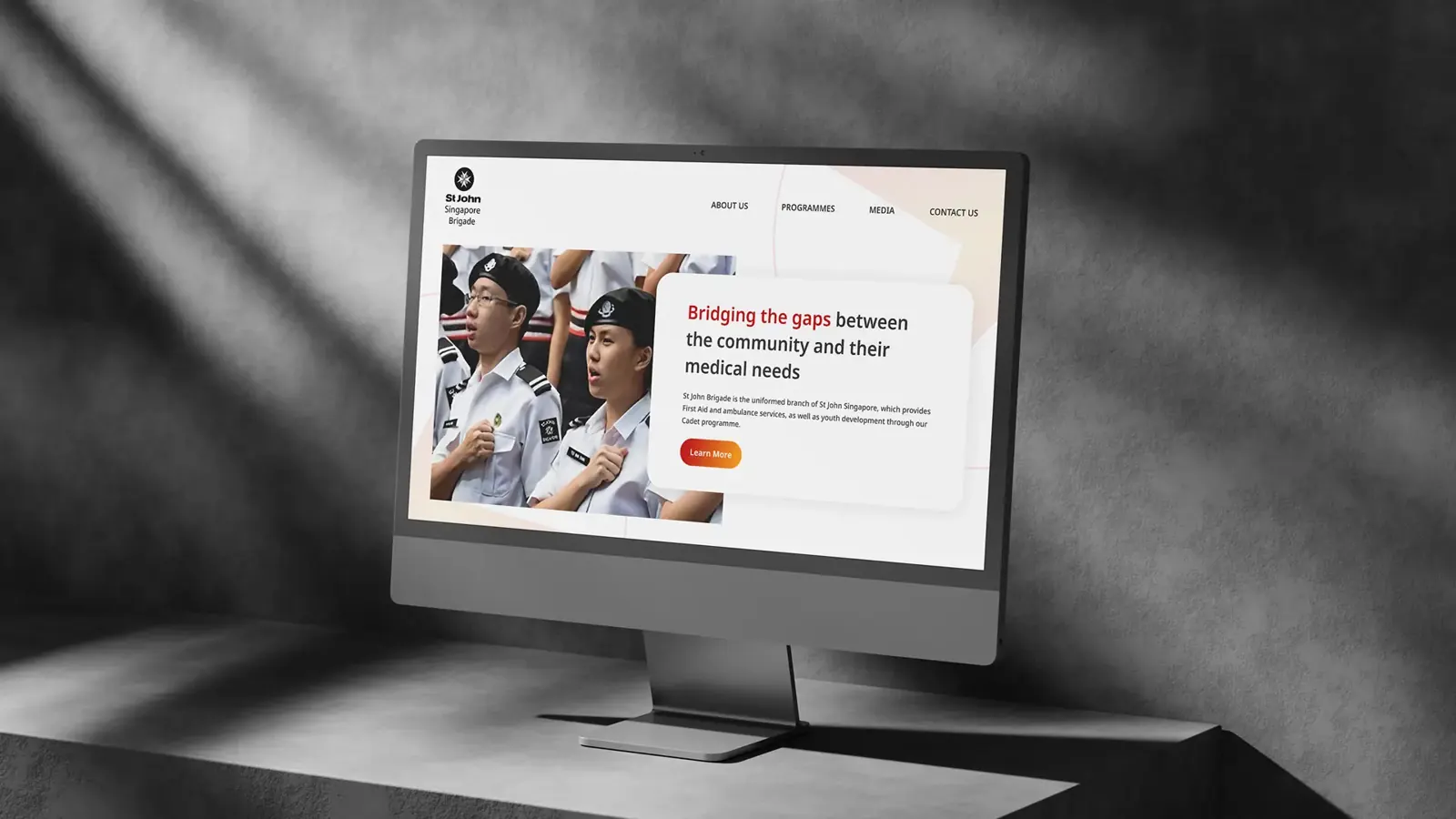
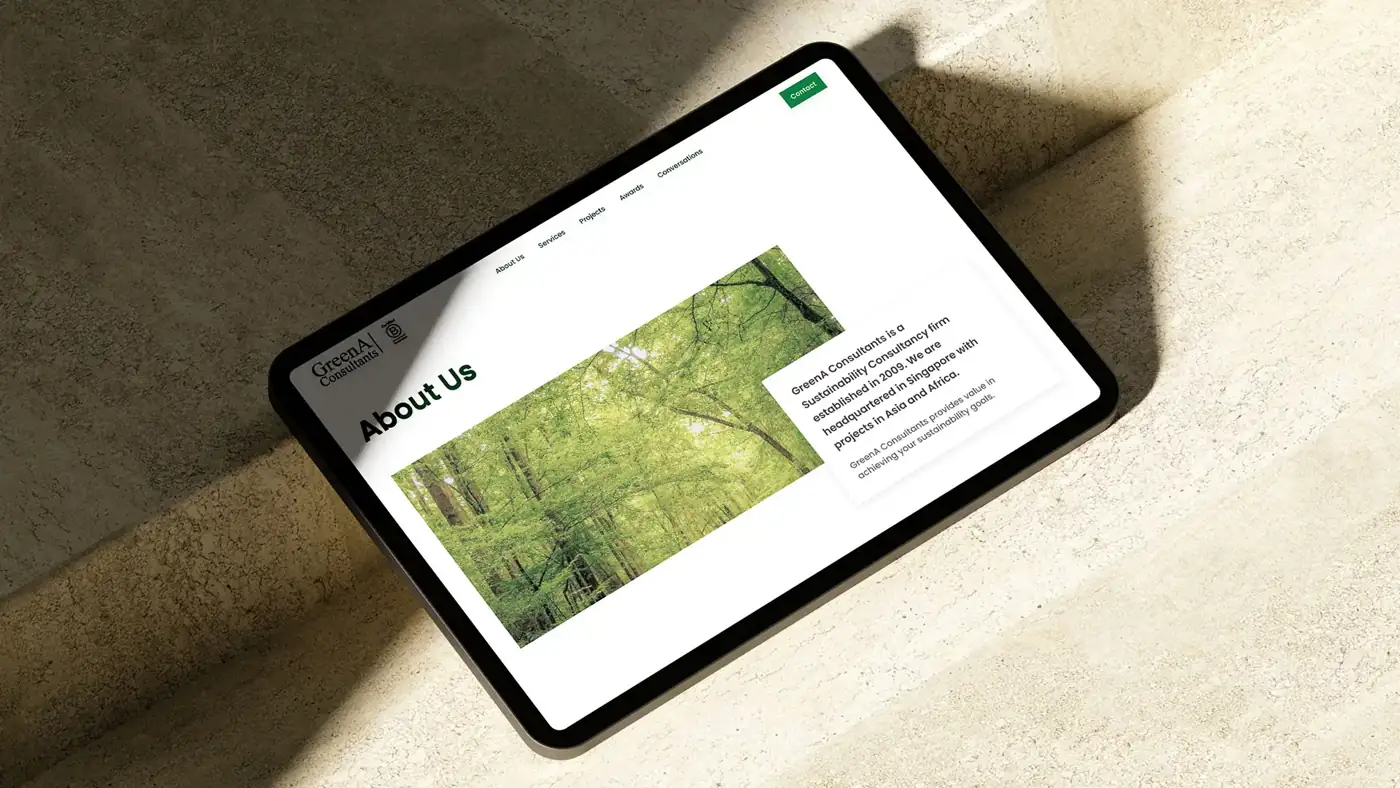
Once the structure works, we translate the strategy into a visual system. We establish the design direction in Figma, then extend approved components across the rest of the website.
Typography, spacing, imagery, components, interaction states and responsive behaviour are designed to support the hierarchy already established through UX.
The interface should feel distinctive while making the content easier to understand and the experience easier to use.
Build the experience to work in the real world
Approved designs are developed responsively with the required CMS, functionality and integrations.
We focus on making the website usable for visitors and practical for the internal team managing it after launch.
Where appropriate, this can include WordPress, Elementor Pro, forms, integrations, reusable components and structured content management. The platform is there to support the experience, not dictate it.
Launch is the start of performance, not the end of the project
Before launch, we test responsive behaviour, functionality, content, forms and key user journeys.
Once the website is live, DIGIPIXEL can support website management, SEO, analytics, conversion improvements, landing pages, content expansion and future functionality as the business evolves.